


Cumberland Valley’s self-guided walking tours provide the perfect opportunity to dive deeper into the region's history. Meander and explore at your own pace as you follow routes through both town and country locations that provide a delightful peek into the past.
 A Walk Around Boiling Springs
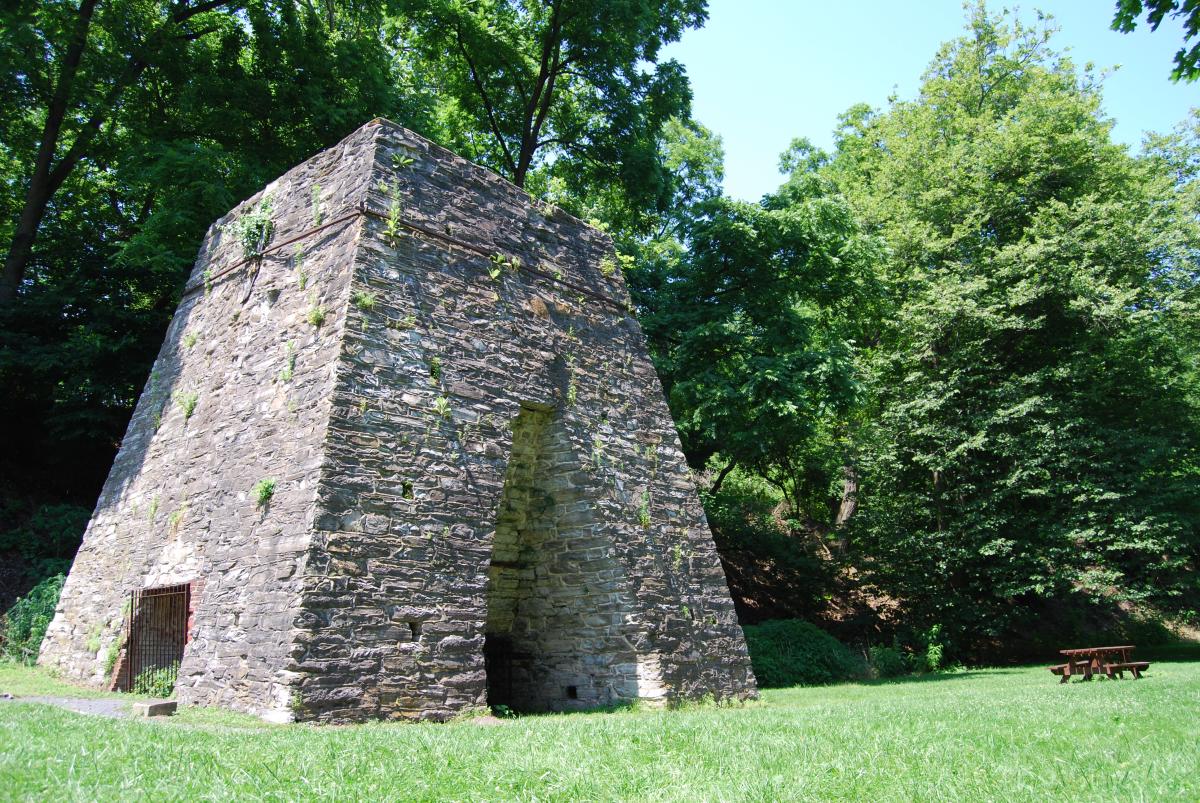
Boiling Springs packs a lot of history into its small size. The seven-acre man-made Children’s Lake dates back to the 1750s when it was initially used to power the iron industry. In the mid-1800s, the village was the site of an Underground Railroad stop, and then, in the early 1900s, it became a popular recreational destination. Today, Boiling Springs is an ideal location for outdoor lovers. The Appalachian Trail runs along Children’s Lake, and the village is a designated Appalachian Trail community, one of only five in Pennsylvania. Fishermen flock to Yellow Breeches Creek for some of the world’s best fly-fishing, and visitors can enjoy a leisurely paddle on the lake.
To learn more, download the A Walk Around Boiling Springs brochure, which includes a guide to more than 20 stops that attest to this town's charm and historical significance.

18th-Century Architecture
Step back in time and explore the charming streets of Carlisle, where centuries-old buildings whisper stories of patriotism, resilience, and everyday life. From stately stone houses to Revolutionary War-era taverns, these landmarks aren't just architectural gems—they're tangible connections to a rich and riveting past. Admire the enduring craftsmanship and imagine the lives of the revolutionaries, merchants, tavern keepers, and townspeople who helped shape our community. This tour includes sidewalk views only. The buildings are not open to the public.
(TIP: Sign up for the free Carlisle History Walk passport and explore Carlisle's rich heritage as informative historic wayside markers guide you through the town's history. Check in and earn prizes!)
 Carlisle's Old Public Graveyard
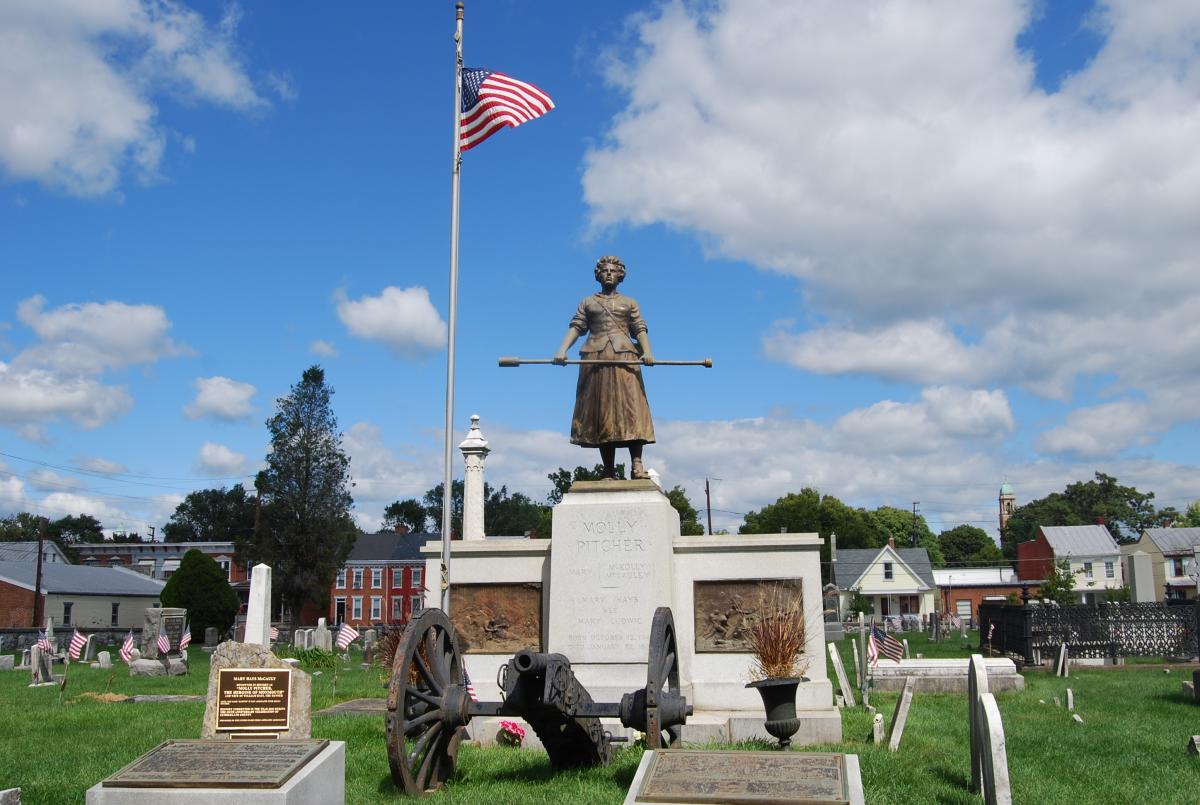
The Old Public Graveyard was Carlisle’s first burial ground and one of colonial Pennsylvania's original seven public graveyards. The oldest surviving marker dates to 1757. It is also the burial site of Mary Hays McCauley, better known as “Molly Pitcher,” and recognized for her bravery during the Revolutionary War. Other prominent graves include General John Armstrong, Dr. Charles Nesbit, Esther Groome, and veterans from the Revolutionary War through the Korean War.
Download the guide here, which highlights 20 locations. The graveyard is open daily to the public from dawn to dusk.
 Pine Grove Furnace Iron Works Historic Walking Tour
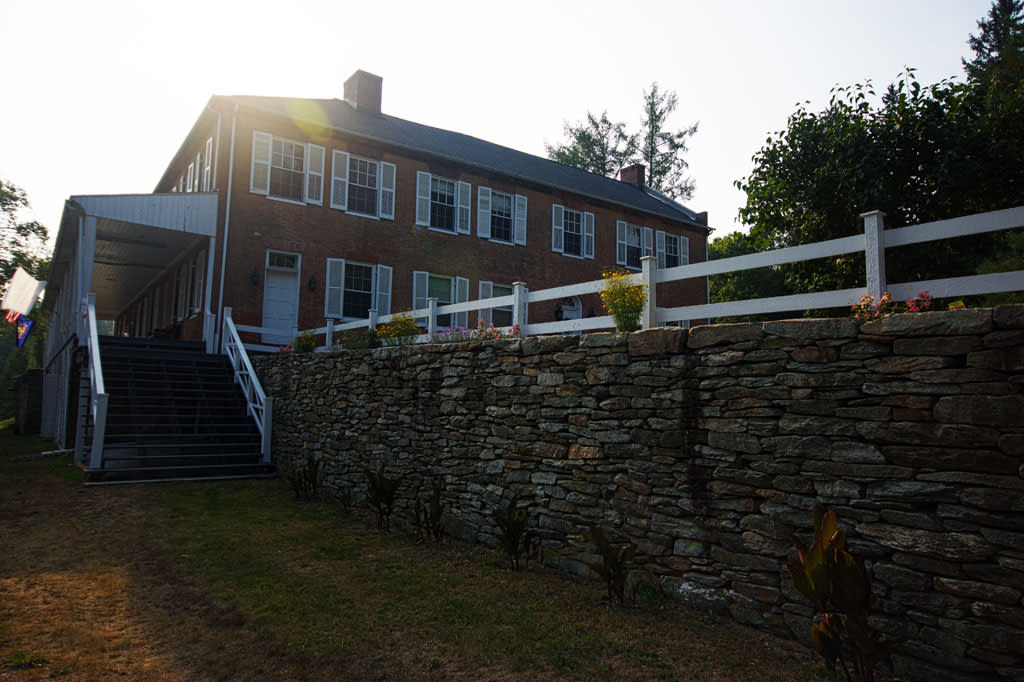
The abundant beauty of Pine Grove Furnace State Park hides the fact that this area was, for many years, a hub for the iron industry. It was left as an unattractive industrial wasteland in the late 1800s when that industry went bankrupt. With its natural resources now restored and preserved, visitors to this state park can still see signs of the area’s past, most notably the iron furnace, paymaster’s cabin, and the Ironmaster’s Mansion, which now serves as a hostel.
This walking tour features information about 11 landmarks important to the iron industry and the community who lived and worked here. (TIP: The shiny blue stone you may see on the ground is called slag, an unwanted byproduct of iron-making. It was disposed of in large piles around the furnace but is now considered a historical artifact. Please leave what you find.)
 Camp Michaux
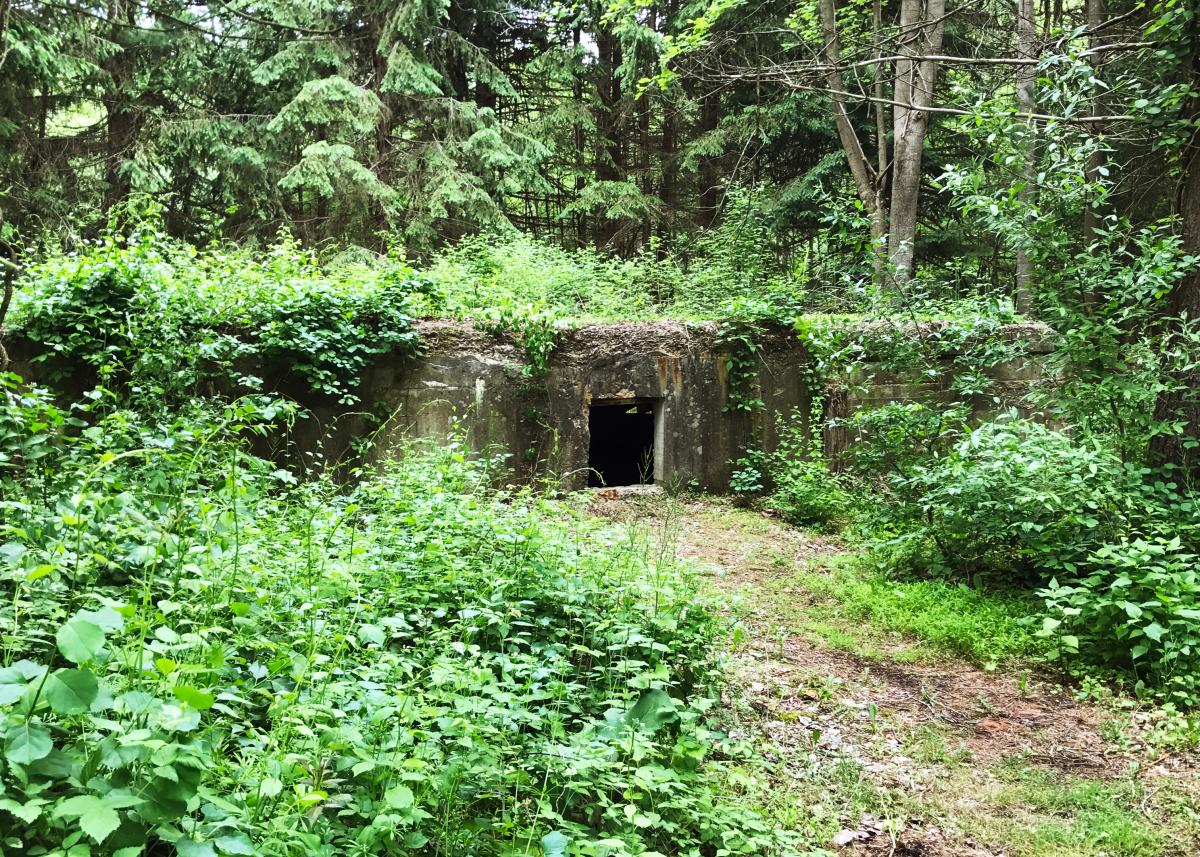
Two miles northwest of Pine Grove Furnace State Park, Camp Michaux has a colorful history as a church camp, a Civilian Conservation Corps (CCC) Camp, a secret POW camp during WWII, and a working farm with links to the iron industry dating back to the 18th century. Today, several building ruins are still visible. As you walk along the trails of this quiet location nestled in the ridges of the South Mountain, look for the concrete remains of structures such as the original CCC barracks renovated into a German POW dining hall, the pump house, and the church camp swimming pool, among others.
To learn more, download the Camp Michaux walking tour brochure, which includes information on more than 25 markers throughout the site. (TIP: The Cumberland County Historical Society offers guided tours of Camp Michaux each spring and fall.)

